
Sports Betting Basics: How a Bet Works

A sports bet is an agreement about a future result, and almost everything else in betting follows from that one idea. Before you stake anything it helps to know what you are actually agreeing to, how the price of that agreement is set, and what happens when the event you picked finally finishes.
What a Bet Really Is
When you place a bet you agree with the operator on a price for an outcome. If your selection happens, the operator pays at that price; if it does not, the stake is gone. There is no purchase, no investment and no partial return behind the transaction, so the whole amount rests on a single result that you do not control and cannot influence from the moment you confirm.
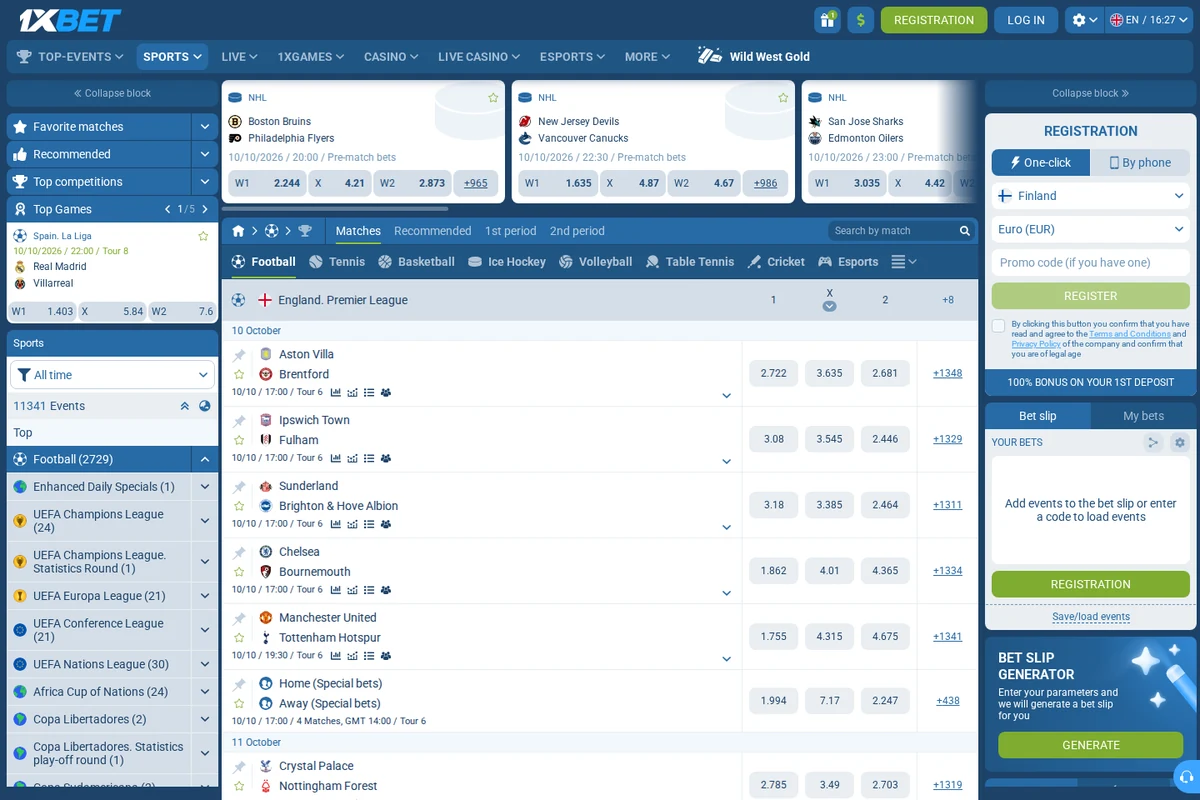
That structure explains why betting feels different from buying something. The price is fixed in advance, the outcome is unknown, and the only decisions genuinely in your hands are which outcome to pick, how much to stake and whether to bet at all. Everything else belongs to chance, however confident a tipster may sound about it.
Where the Price Comes From
The number attached to an outcome, the odds, expresses how likely the operator thinks that outcome is. Long prices describe unlikely events, short prices describe likely ones, and the two are mirror images of each other. A selection at a very short price is not safer in any absolute sense; it is simply more probable, which is a different thing entirely.
Operators add a margin on top of the probabilities they estimate, and that margin is how the business covers its costs and earns something across the volume of bets it accepts. It is the reason the prices on offer, added together, always describe slightly more than a hundred per cent of the possible outcomes rather than exactly a hundred.
Placing a Bet Step by Step
- Pick the sport and the specific event you want to follow.
- Choose a market, which is the question the bet answers.
- Select an outcome and check the price at the moment you confirm.
- Enter the stake and review the total return before submitting.
- Confirm only once the selection is exactly what you intended.
Live betting adds a further step, because the price moves while the event is running. The number you saw a minute ago may no longer exist, and what matters is the price recorded on your slip at the moment of confirmation rather than the one you remember from the screen a moment earlier.
Reading the whole slip before confirming is the habit that prevents the most common regret in betting: a stake meant for one market that landed on another because the interface was clicked twice in quick succession and the second tap registered on the wrong line.
How a Bet Is Settled
Settlement happens when the market is decided. A match bet is settled once the final whistle confirms the result, while a longer-term market may wait for a whole competition to finish. Until settlement the stake is committed and the potential return is displayed, but it is not available to withdraw or to spend elsewhere.
Some operators also offer a cash-out control that closes a bet before the event ends, at a price they set at that moment. It turns uncertainty into a certain, usually smaller, amount. That is a convenience rather than an advantage, because the price offered carries the same margin as every other number on the site.
Reading the Numbers Before You Commit
The only two figures you truly need are the stake leaving your balance and the total you would receive if the selection wins. The difference between them is the profit, and looking at that gap honestly is a useful test of whether the bet is worth placing at all before any money moves.
It also helps to compare the implied probability with your own view of the event. If the price suggests an outcome is far more likely than you believe, the bet is probably poor value; if your view is the more optimistic one, the price may be fair. Either way the comparison keeps the decision deliberate rather than impulsive.
Bet Types at a Glance
| Type | What it is | What changes |
|---|---|---|
| Single | One selection, one outcome | The simplest and clearest structure |
| Double | Two selections combined | Both must win for the bet to pay |
| Accumulator | Several selections in one bet | Longer odds, much lower chance overall |
| System | A group of combinations | Part of the stake can still return |
| Live | A bet placed during an event | The price moves as the match unfolds |
A Sensible Starting Approach
The first bet is rarely the one that matters most; the habits built around it are. Set a budget you are genuinely comfortable losing in full, choose one or two events you actually understand, and read the slip properly before confirming anything at all.
Above all, remember that nobody can predict a result with certainty. Anyone presenting a selection as guaranteed is either misinformed or selling something, and both are reasons to walk away rather than to stake more than you had planned to risk on a single result.
Read next
Odds and Margin Explained
How a price converts into probability and where the operator margin sits.
Types of Bets: Singles, Combos and Systems
How each structure changes the chance of winning and the size of the return.
Live Betting: How In-Play Prices Move
Why prices change during an event and what that means for the person betting.
