
Live Betting: How In-Play Prices Move
Betting during an event feels more engaging than betting before it, and it also removes the pause in which most sensible decisions were previously made. The market moves continuously, the clock runs, and the pressure to act quickly is built into the product rather than into your own judgement.
How In-Play Betting Works
In-play, or live, betting keeps the markets open while the event unfolds. Prices are recalculated as goals, points, time remaining and momentum change, so the same selection can be offered at one price a minute before a turning point and a very different price a minute after it.
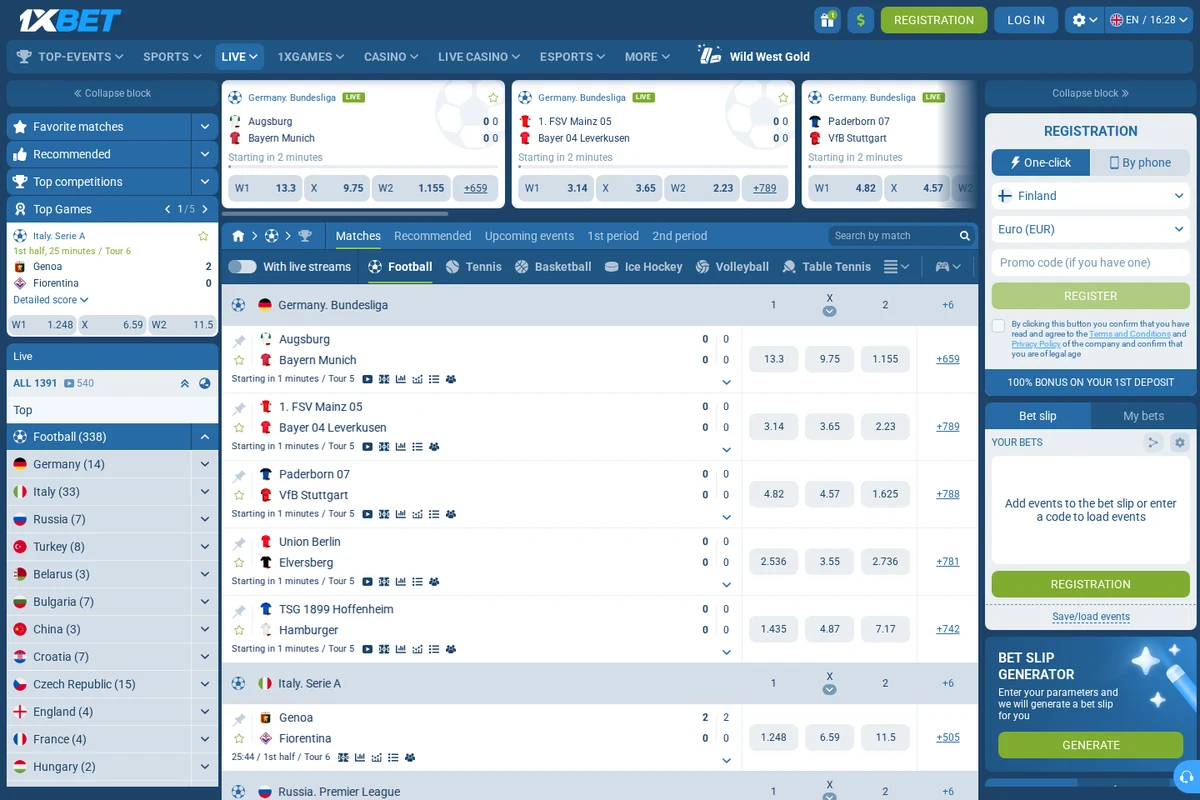
The mechanism is identical to pre-match betting in every other respect: you choose a market, a selection and a stake, and the operator records the price at the moment of confirmation. What changes is only how fast that price stops being available.
Why Prices Move
Prices move because probability moves. A goal changes the chance of every related market in an instant, and the screen updates to reflect it. The movement is information about the event, not a signal about what will happen next, and treating it as a prediction is the most common misunderstanding in live play.
Operators also widen their margins slightly during live events, because their own exposure shifts with every bet and with every event on the pitch. That widening is invisible on the slip and simply forms part of the price you are offered at the moment you click.
Speed and the Slip
The single biggest practical difference is the disappearance of deliberation time. A price can be rejected as changed before you finish reading it, and the interface will usually offer the new number rather than the old one, which is why confirming quickly feels encouraged.
A useful discipline is to decide the market and the stake before the moment arrives, so that clicking is the only thing left to do. That keeps a live bet a pre-planned action with an updated price rather than an improvised reaction to whatever just happened on the screen.
Risks That Differ From Pre-Match
- The price you saw may no longer be the price you get.
- Decisions are made quickly and checked rarely.
- A single moment can change several markets at once.
- Extended sessions encourage more bets than planned.
- The same margin applies as in any other market.
Staying Calm in Play
The main skill in live betting is not analysis but restraint. Sessions lengthen because each event creates new markets, and a bettor who intended to place one bet can find that the second half has produced half a dozen without any deliberate decision to increase activity.
Setting a time limit before the event starts is more effective than trying to stop midway. A boundary chosen in advance, while nothing is happening, is far easier to respect than one chosen in the middle of a tense passage of play.
Live Situations and What Changes
| Situation | What happens to the price | What it means for you |
|---|---|---|
| Goal scored | Prices shift almost instantly | The previous price is gone |
| Late in the match | Outcomes narrow, prices shorten | Less time for a reversal |
| Red card | Wide recalculation of markets | The event is no longer the same one |
| Long pause | Markets may be suspended briefly | Waiting is normal, not an error |
| Settled market | Bet is closed and graded | No further changes are possible |
Choosing a Market in Play
The markets easiest to follow in play are the ones chosen before the event began. Deciding in advance which question you want answered keeps the session focused, and it removes the temptation to react to every incident on the pitch with a stake of its own.
Some markets change meaning as the clock runs. A bet on the next goal means something different in the tenth minute and the ninetieth, and the price moves accordingly. Recognising that the question itself has shifted is more useful than watching the number alone.
Whatever market is chosen, the amount should come from the same budget as any other bet rather than from a separate in-play allowance. A stake is a stake regardless of when it was placed, and treating live action as a different category of money is how budgets quietly double.
Pace is the part of live play that catches people out. Some sports offer natural pauses between passages of play, while others run continuously, and a market that never stops gives no moment in which to reconsider anything. Knowing how the clock behaves in a given sport before betting on it is a small piece of preparation with an outsized effect.
Reading the match is also not the same as reading the market. A bettor can follow an event expertly and still take a poor price, because the two skills are separate and only one of them is rewarded with a better number on the screen.
A Word on Discipline
Live betting is not more rewarding than pre-match betting; it is only faster. The margin is the same, the uncertainty is the same, and the only genuinely new element is the pressure to decide before checking, which works against the bettor rather than for them.
Treated as an occasional, pre-planned activity with a stake fixed in advance, it is simply another way to place a bet. Treated as an ongoing session to be followed for hours, it becomes the most expensive way to watch a match that was, a short time before, free to enjoy.
Read next
Sports Betting Basics: How a Bet Works
What a bet actually is, where the price comes from and how a market is settled.
Odds and Margin Explained
How a price converts into probability and where the operator margin sits.
Types of Bets: Singles, Combos and Systems
How each structure changes the chance of winning and the size of the return.
